LeetCode Top Interview 150


106. Construct Binary Tree from Inorder and Postorder Traversal
Medium
Given two integer arrays inorder and postorder where inorder is the inorder traversal of a binary tree and postorder is the postorder traversal of the same tree, construct and return the binary tree.
Example 1:
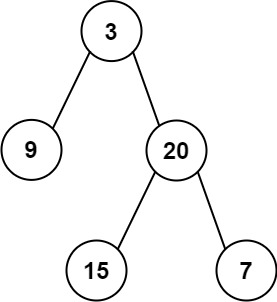
Input: inorder = [9,3,15,20,7], postorder = [9,15,7,20,3]
Output: [3,9,20,null,null,15,7]
Example 2:
Input: inorder = [-1], postorder = [-1]
Output: [-1]
Constraints:
1 <= inorder.length <= 3000postorder.length == inorder.length-3000 <= inorder[i], postorder[i] <= 3000inorderandpostorderconsist of unique values.- Each value of
postorderalso appears ininorder. inorderis guaranteed to be the inorder traversal of the tree.postorderis guaranteed to be the postorder traversal of the tree.
Solution
from typing import List, Optional

class TreeNode:
    def __init__(self, val=0, left=None, right=None):
        self.val = val
        self.left = left
        self.right = right

class Solution:
    def buildTree(self, inorder: List[int], postorder: List[int]) -> Optional[TreeNode]:
        in_index = [len(inorder) - 1]
        post_index = [len(postorder) - 1]
        return self._helper(inorder, postorder, in_index, post_index, float('inf'))

    def _helper(self, inorder: List[int], postorder: List[int], index: List[int], p_index: List[int], target: int) -> Optional[TreeNode]:
        if index[0] < 0 or (index[0] < len(inorder) and inorder[index[0]] == target):
            return None
        root = TreeNode(postorder[p_index[0]])
        p_index[0] -= 1
        root.right = self._helper(inorder, postorder, index, p_index, root.val)
        index[0] -= 1
        root.left = self._helper(inorder, postorder, index, p_index, target)
        return root